projects

Work we can show you, with the numbers.

32 projects across machine learning, computer vision, language, security, geoscience, optimisation and the web. Each one names the method, the stack and how the result was tested.

Showing 8 of 32 projects

2.71 g/cm³48.2 s⁻¹Granite Predict 18.4 MPa predicted Dynamic tensile strength
Full-stack ML web app

RockburstAI

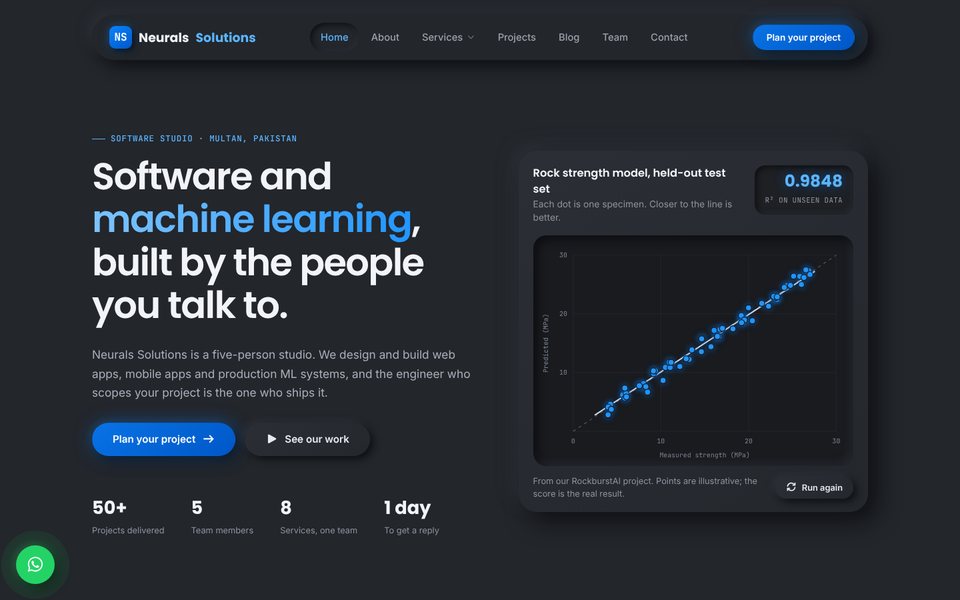
A web app that predicts the dynamic tensile strength of rock specimens. Engineers enter test parameters and get a prediction in the browser, backed by a model validated on data it never saw in training.

Model
LightGBM and CatBoost stacking ensemble
Result
R² 0.9848 on the held-out test set
Stack
React, Flask, Firebase, AWS Lambda

The problem

Engineers need an early estimate of rock strength, in a form they can use without opening a notebook.

What we did

Built a stacking ensemble with residual correction, tuned it with metaheuristic search, and checked it rock type by rock type to show where it generalises and where it does not. SHAP explains each prediction.

The outcome

R² of 0.9848 on unseen data, served through a React front end with Firebase sign-in and a Flask API running on AWS Lambda.
Analyze crop Diagnosis Disease found Treatment Prevention
Mobile app with AI

CropCare AI

An Android app for farmers. Photograph a leaf and the app names the disease, then gives treatment and prevention advice. It also shows live soil and weather readings and answers questions by voice.

Model
Keras CNN, 33 crop disease classes
Result
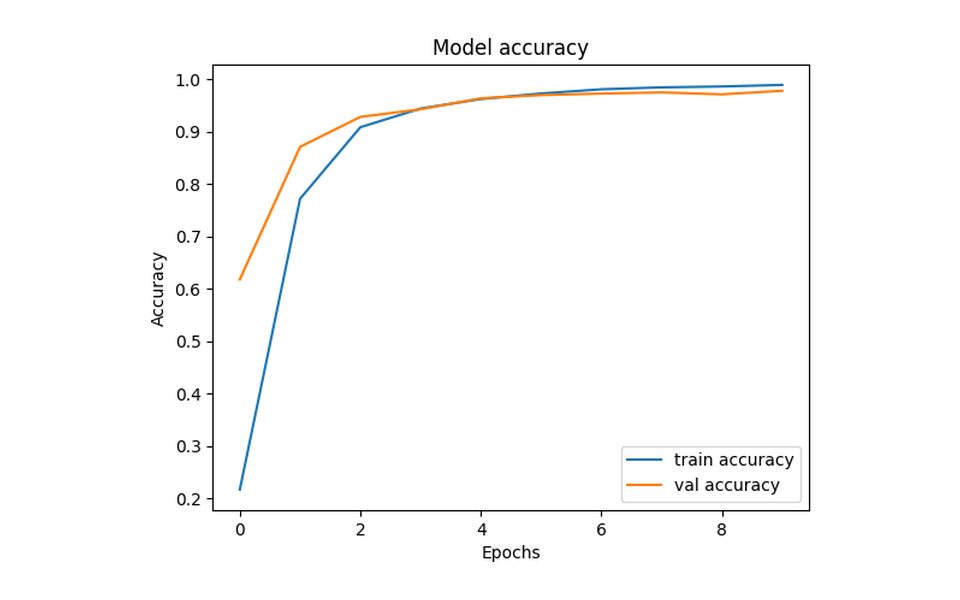
96.09% accuracy on the test set
Stack
Android (Java), Flask, TensorFlow, Firebase

The problem

A farmer in the field needs a diagnosis and a next step from a phone, in a language they speak.

What we did

Trained a CNN on 33 disease classes and served it from a Flask API. The Android app adds sign-in, scan history, a sensor dashboard and a voice assistant in Urdu, Punjabi and English.

The outcome

96.09% test accuracy. The sensor dashboard runs on simulated readings today and is wired so real ESP32 hardware can replace the simulator without code changes.

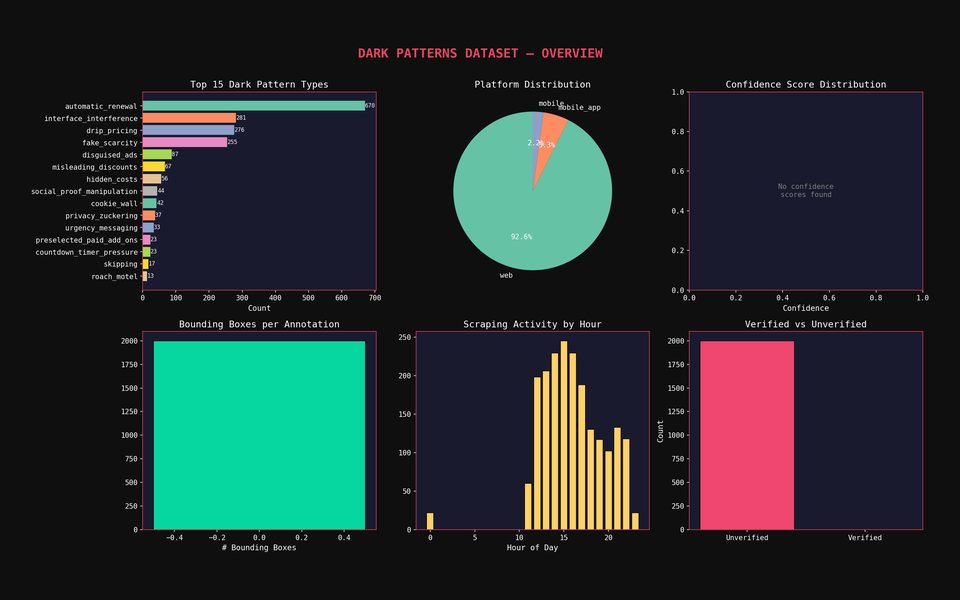
Overview dashboard of the dark-pattern dataset
Computer vision and language

Dark-pattern detector

A model that reads a screenshot and its text together to flag manipulative interface tricks, such as fake urgency or guilt-worded opt-outs. It ships with a browser extension that highlights them on live pages.

Model
Vision Transformer and RoBERTa, fused with cross-modal attention
Result
98.6% test accuracy, F1 0.964, after a data-leakage check
Scope
27 categories of deceptive design

The problem

Manipulative design lives partly in what a screen shows and partly in what it says, so image-only or text-only models miss it.

What we did

Paired a Vision Transformer with RoBERTa and fused them with cross-modal attention. Grad-CAM and attention maps show which part of the page drove each decision.

The outcome

The first version memorised its training data. We found the leak, fixed the split and report 98.6% test accuracy on the clean version. A Chrome extension highlights detections and maps them to consumer law.

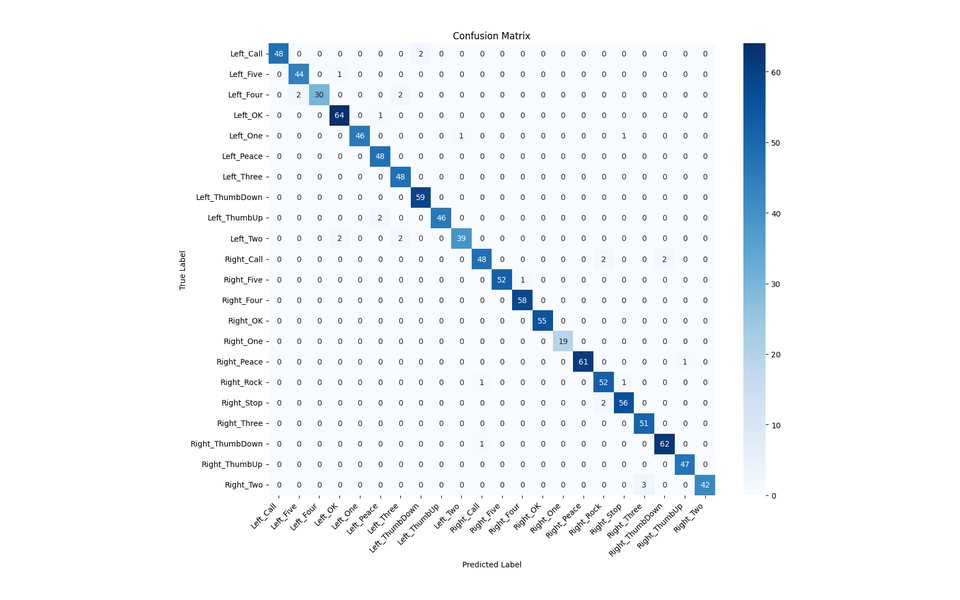
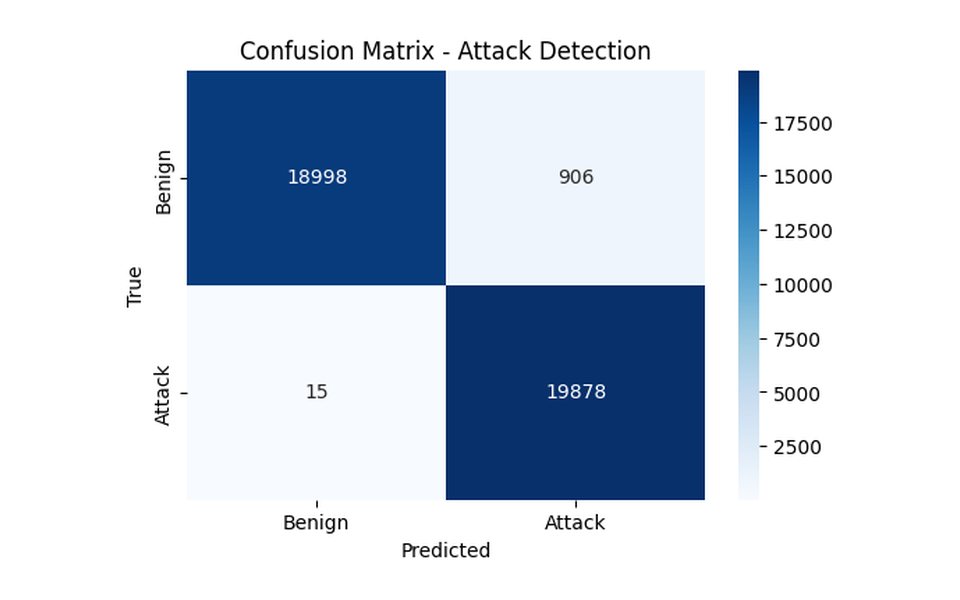
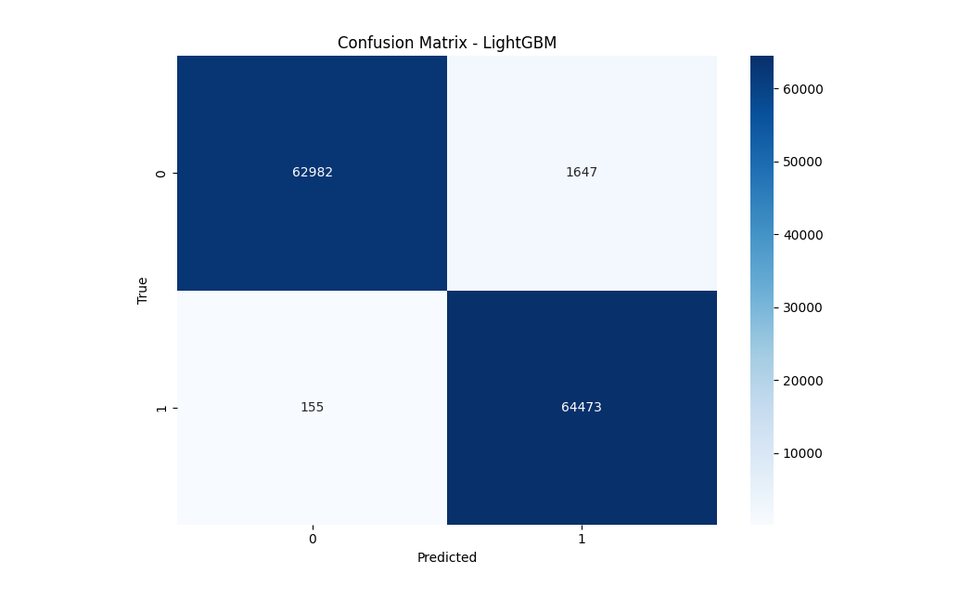
Confusion matrix of the LightGBM traffic classifier
Security web app

Network traffic analyser

A web app for network teams. Upload a packet capture exported from Wireshark and it rebuilds the traffic flows, labels each one benign or malicious, and charts what it found.

Model
LightGBM on 8 features chosen by mutual information
Result
98.6% accuracy, ROC-AUC 0.997 on 129,257 test flows
Stack
Flask, LightGBM, CatBoost, pandas

The problem

Raw packet captures are hard to read, and most intrusion models never leave the notebook.

What we did

Trained LightGBM and CatBoost on balanced traffic data, kept the eight most informative features, and wrapped the model in a Flask app that converts Wireshark exports into flows.

The outcome

98.6% accuracy on held-out flows, with a results screen showing the benign and malicious split and the features behind it.

Homepage of the Neurals Solutions website
Website

Neurals Solutions website

This site. Fifteen pages in a dark neumorphism design, with an animated model plot, a project planner that builds a WhatsApp brief, and a working contact form.

Scope
15 pages, one shared design system
Features
Project planner, live model plot, project filter, contact form
Stack
HTML, CSS, JavaScript, EmailJS, self-hosted fonts and icons

The problem

A studio site has to earn trust in the first screen and make it easy to start a conversation.

What we did

Designed a neumorphic component system, wrote every page around real projects and named team members, and built the planner so a visitor can send a structured brief in three taps.

The outcome

A fast static site with no framework and no third-party font or icon requests, responsive from phone to desktop.

Physics checksML ensembleCriticReliability fusion Grade 2, trusted Abstain
AI agents

Agentic rockburst assessment

A multi-agent system that grades rockburst risk and also says how far each answer can be trusted. It can send a case back for re-checks, or decline to answer when the evidence is weak.

Method
Physics-guided agents, eight ML baselines, conformal uncertainty and abstention
Result
Quadratic weighted kappa 0.689 under nested, leakage-safe validation
Stack
Python, scikit-learn, XGBoost, LightGBM, CatBoost, optional Gemini planner

The problem

A risk grade with no measure of confidence is dangerous underground. The system has to know when it does not know.

What we did

Built agents for physics checks, model prediction and criticism, with a fusion step that scores reliability. The planner only picks the next step; every number comes from tested Python tools.

The outcome

Kappa 0.689 on 344 cases with grouped, nested cross-validation. The report states plainly that the reliability score still runs about seven points overconfident.

GliomaMeningiomaPituitaryNo tumour
Medical imaging

Brain tumour MRI classification

Two hybrid deep learning models that classify brain MRI scans as glioma, meningioma, pituitary tumour or no tumour, combining a convolutional network with a vision transformer.

Model
VGG16 and VGG19, each fused with ViT-B/16
Data
5,700 training and 1,308 test images
Result
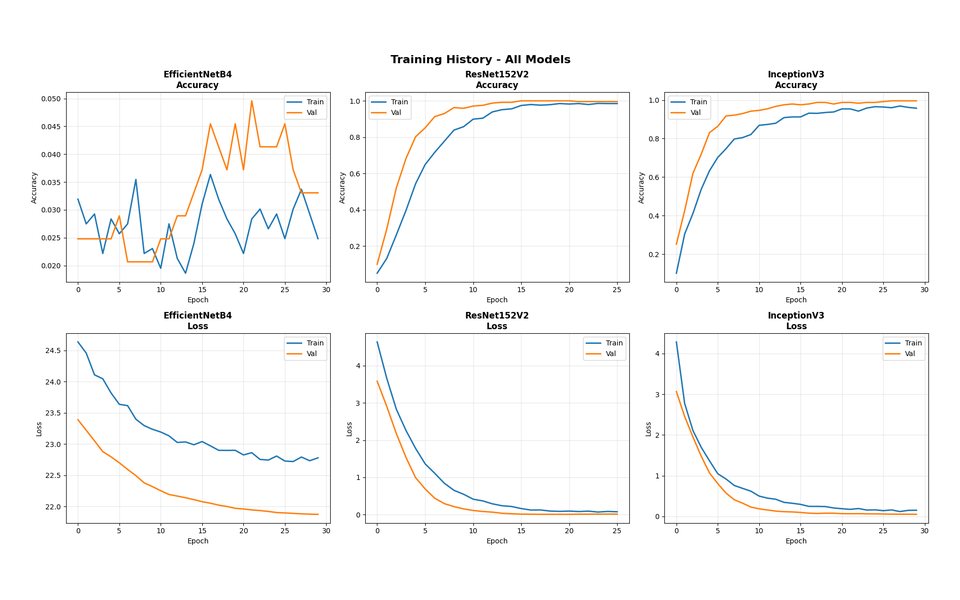
98.62% best validation accuracy (VGG16 hybrid)

The problem

Convolutional networks see local texture well and transformers see global structure. Tumour classification benefits from both.

What we did

Fused VGG feature maps with ViT-B/16 embeddings, removed corrupted scans, and trained with class weights and mixed precision.

The outcome

The VGG16 hybrid reached 98.62% validation accuracy, slightly ahead of VGG19, with per-class F1 between 0.98 and 1.00.

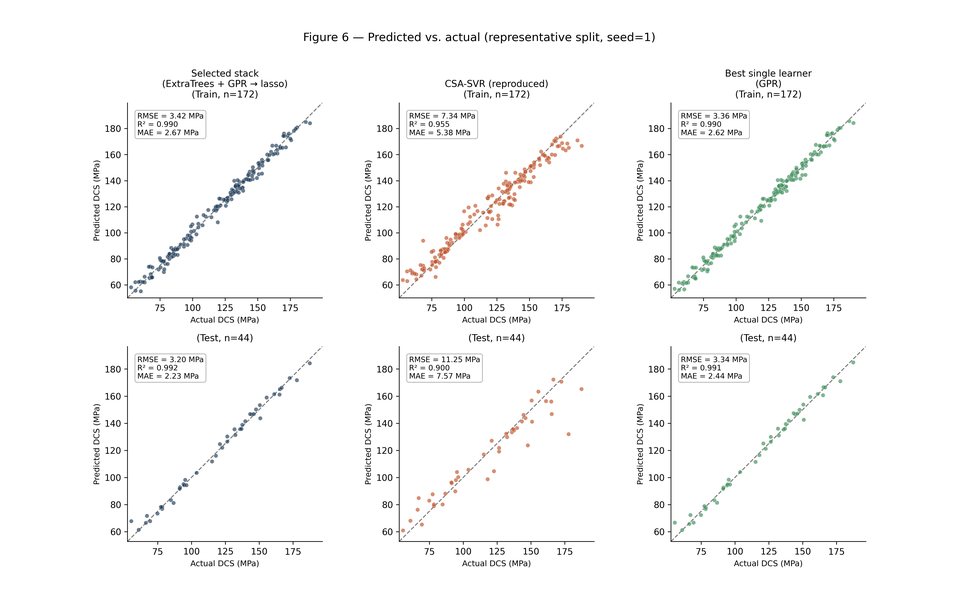
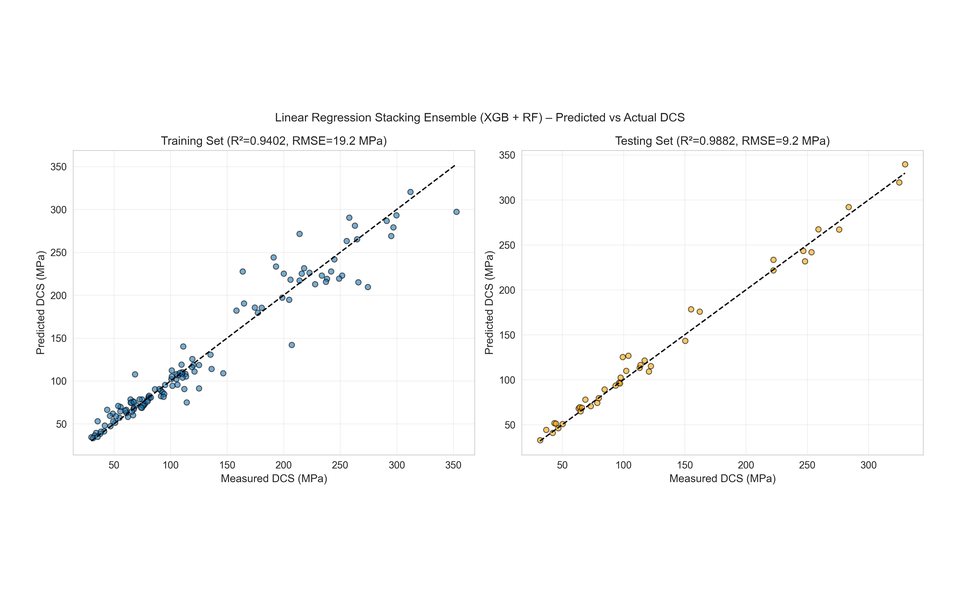
Predicted against actual strength for three models on training and test specimens
Geoscience research

Freeze-thaw sandstone strength

Models that predict how strong sandstone remains under impact after repeated freezing and thawing, with a stated uncertainty for every prediction.

Data
216 laboratory impact-test specimens
Model
Stacked ensemble found by metaheuristic search (ExtraTrees and Gaussian process)
Result
Test R² 0.992 against 0.900 for the reproduced published baseline

The problem

Cold-region rock engineering needs strength estimates without testing every specimen to destruction.

What we did

Locked the data splits before modelling, searched stacking ensembles with three metaheuristics, and benchmarked uncertainty methods including NGBoost and conformal prediction.

The outcome

On 44 unseen specimens in a representative split, the selected stack reached R² 0.992 and an error of 3.2 MPa, well ahead of the published model reproduced on the same split.

Some client work stays private

Not everything we build can be published. On a call we can walk you through relevant work we are allowed to show, including the code where the client permits it.

Our approach

Every project starts with the same question: what does "done" look like?

Before writing code we agree the measure each project is judged against, such as accuracy on unseen data, load time or adoption, so success is not a matter of opinion at handover.

  1. Define the success metric

    We agree on the one number that matters most before scoping begins.

  2. Build the smallest version that proves it

    We ship a focused first version instead of a feature-complete guess.

  3. Measure, then expand

    Real usage data, not assumptions, decides what gets built next.

Your project could be the next one here.

Plan it in three taps, or send a short brief. No obligation, just a clear plan.